

Every day, perfectly edible food disappears somewhere between harvest, logistics and the store shelf. Not because demand is missing — but because freshness runs out too soon. What was once treated as an unavoidable loss is now being redefined as one of the largest untapped opportunities in the global food system. According to Avery Dennison “Making the Invisible Visible” report, tackling food waste could unlock up to $540 billion annually across the global retail supply chain.
A growing problem hiding in plain sight
Food waste is often framed as an environmental or social issue. In reality, it has become a systemic business challenge with direct financial consequences. According to Avery Dennison “Making the Invisible Visible” report, the cost of food waste across the supply chain — from processing to retail — is equivalent to approximately 33% of business revenue.
fot. Fresh Inset
These losses are accelerating. Rising inflation, geopolitical instability, and longer, more complex supply chains increase pressure on already fragile freshness windows. According to the Avery Dennison report, the total cost of food waste could reach $3.4 trillion globally by 2030, and perishable products account for $94 billion in retail food waste each year.
fot. Fresh Inset
From waste management to value creation
Food waste is no longer hidden in operational reports or written off as shrink. According to the Avery Dennison report, 54% of industry leaders report that food waste costs have increased over the last three years, creating a “double-loss” effect: higher operating costs combined with missed sales opportunities.
“Food waste is no longer something the industry can afford to accept as an unavoidable cost. As supply chains become more volatile and margins more fragile, protecting freshness earlier in the process becomes critical. That is why we work closely with Avery Dennison, combining packaging innovation with Vidre+™ freshness extension technology to extend selling windows and reduce waste where it starts.” – said Krzysztof Czaplicki, Board Member and Co-Founder at Fresh Inset, and a contributor to the Avery Dennisson report.

fot. Krzysztof Czaplicki, Board Member and Co-Founder at Fresh Inset
Smart packaging enables a move from reactive markdowns to proactive freshness management, supporting better planning, longer shelf life and reduced waste before products ever reach the shelf.
How freshness extension technology fits in
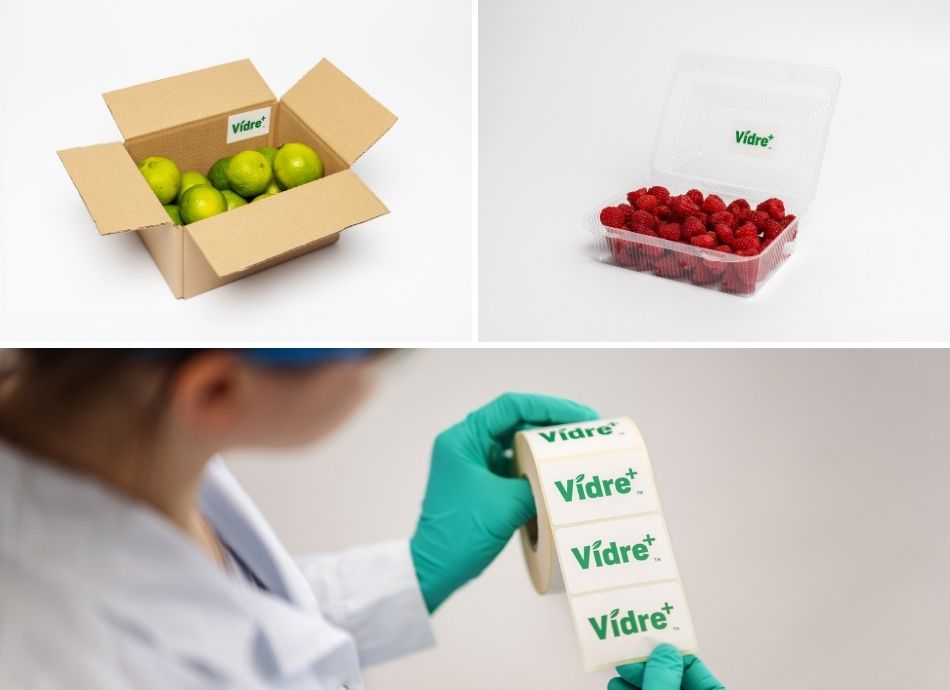
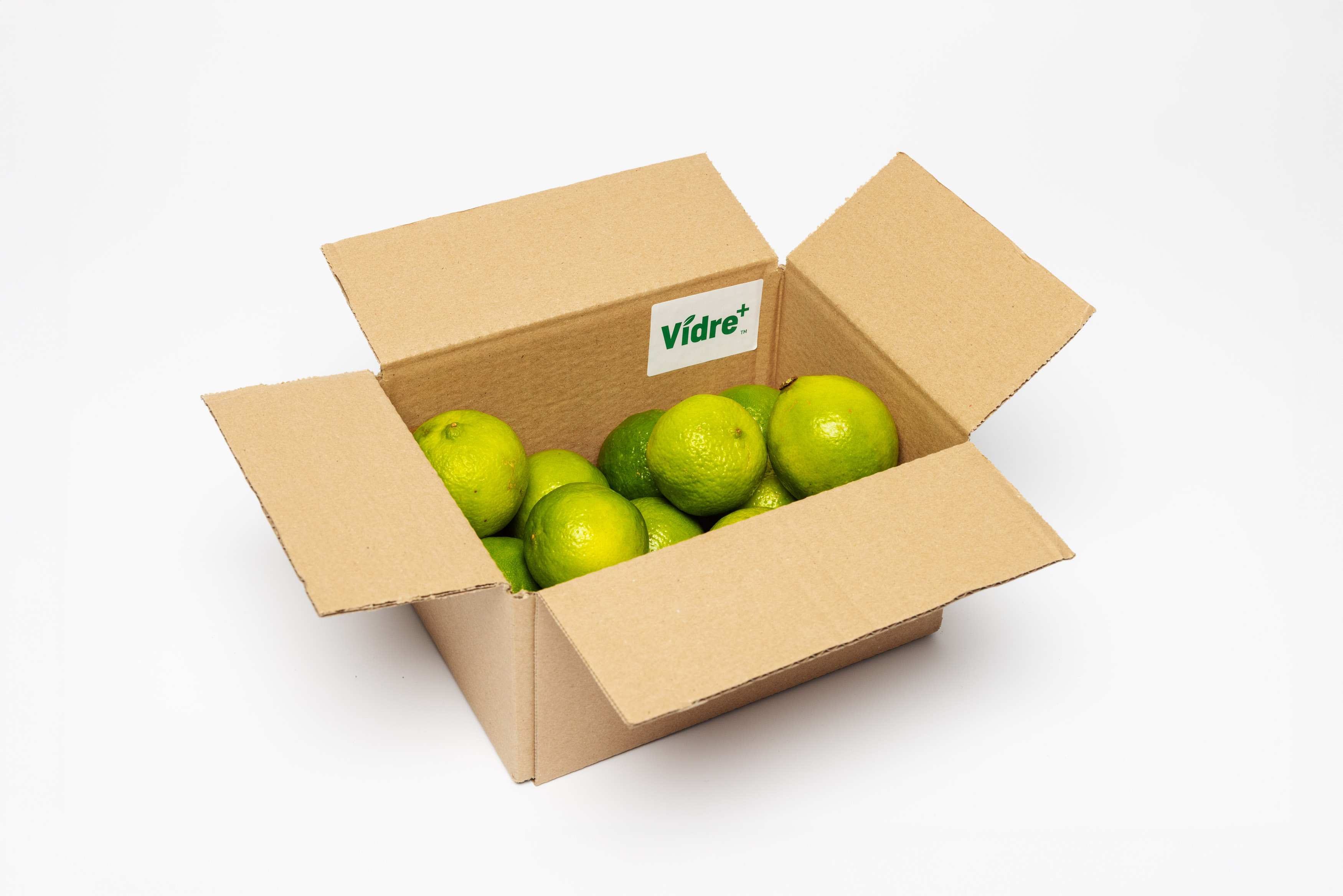
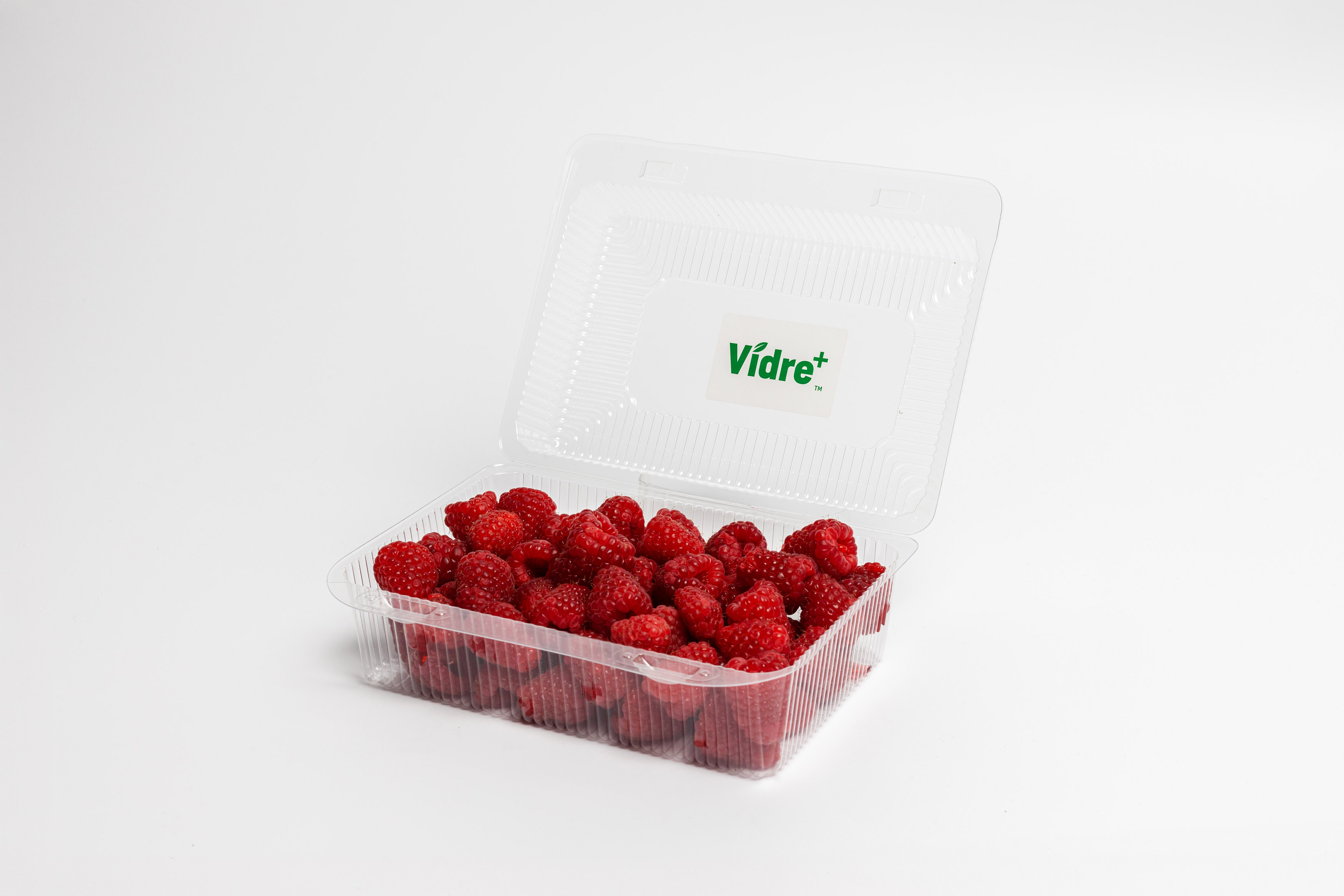
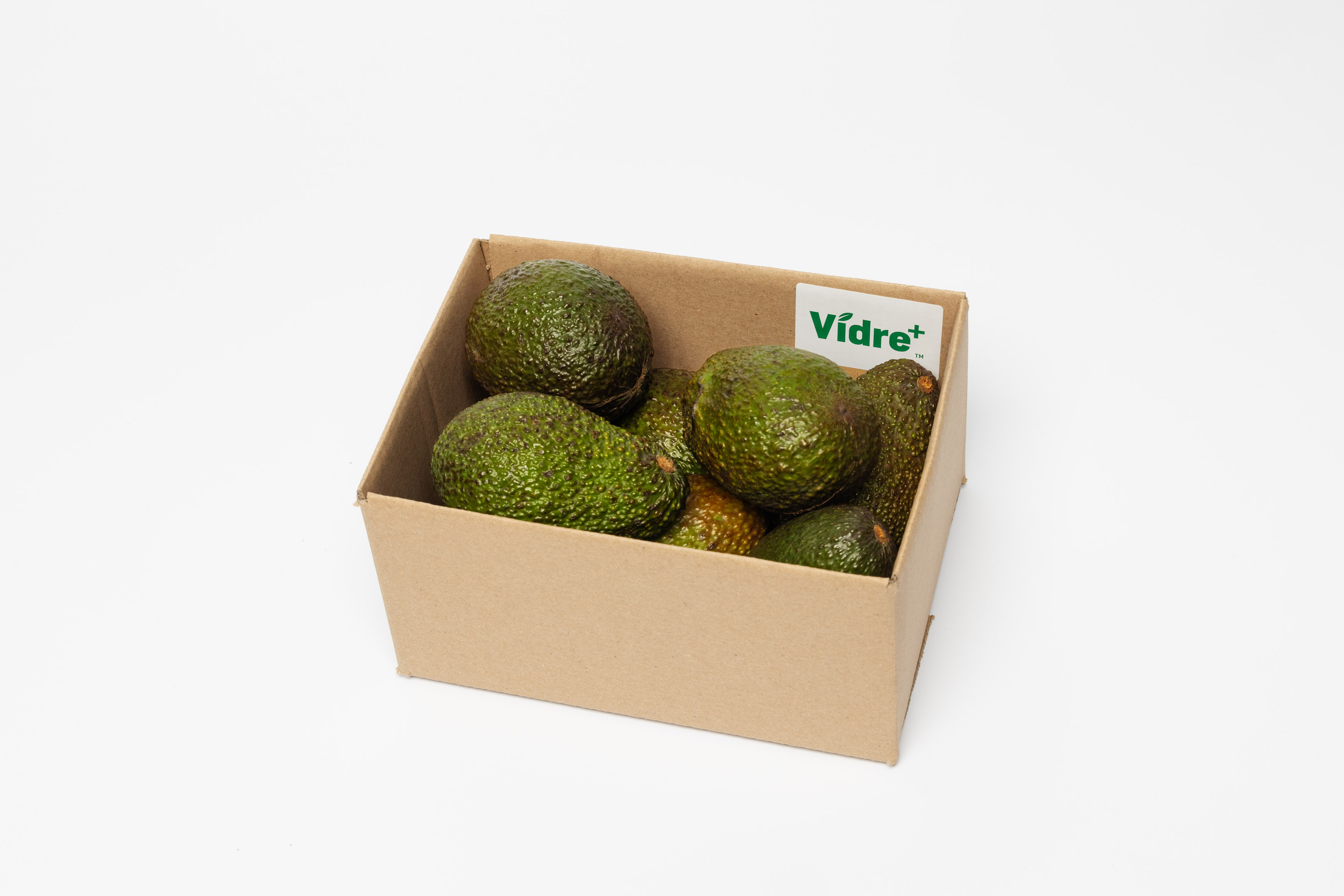
Fresh Inset’s Vidre+™ technology was developed to address this exact challenge: time working against fresh products. Vidre+™ slows the natural ageing process of fruit, vegetables and flowers inside the packaging environment.
fot. Fresh Inset
The technology can be applied via a simple sticker or integrated directly into packaging materials, turning conventional formats into smart, functional packaging with an enhanced freshness function. It requires no additional infrastructure, works across packaging types and can be implemented at any point in the postharvest supply chain.
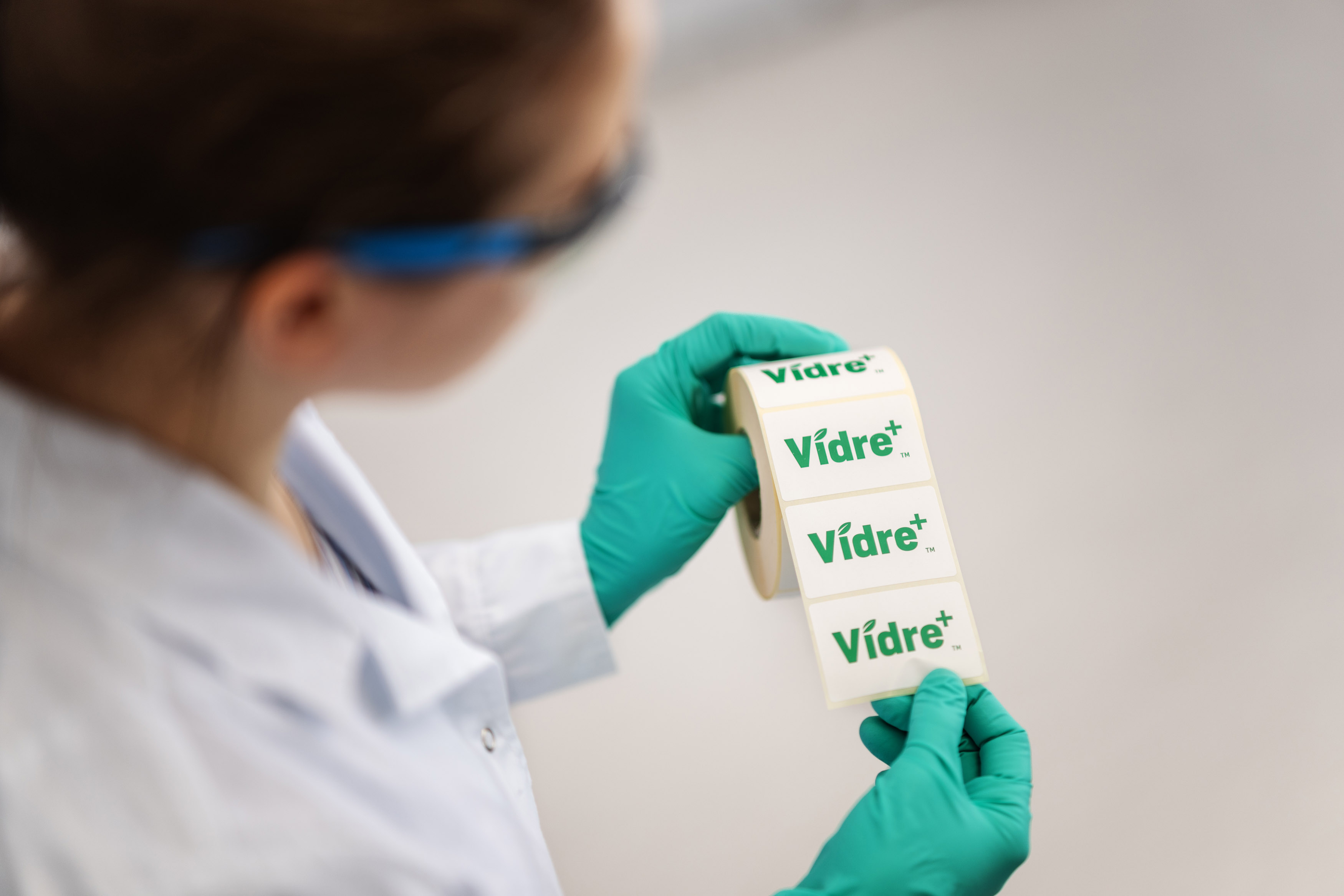
fot. Fresh Inset
By extending freshness where losses begin, Vidre+™ helps convert unavoidable waste into measurable operational value.
About the research
The data referenced in this article comes from Avery Dennison (2025), Making the Invisible Visible: Unlocking the Hidden Value of Food Waste to Drive Growth and Profitability. The study was conducted in collaboration with the Centre for Economics and Business Research (CEBR) and is based on a global survey of 5,500 food retail and supply chain leaders across seven markets, supported by economic modeling and industry case studies.
If you are interested in expanding your knowledge about Vidre+™ technology, follow us on LinkedIn or get in touch: krzysztof.czaplicki@freshinset.com
Thank you for reading this article!
***
The Vidre+™ technology is being developed with the support of the European Union under the European Funds for a Modern Economy (FENG) Programme, based on an agreement with the National Centre for Research and Development.



 ENG
ENG PL
PL IT
IT SP
SP FR
FR RUS
RUS CZ
CZ DE
DE UA
UA