

The International Day of Awareness of Food Loss and Waste is marked under a theme that states the opportunity directly: the transformative potential of reducing food loss and waste. The newest UN research on food security makes that potential concrete: most of what a shopper pays for fresh produce is spent long after harvest -which is exactly where active packaging technologies such as Fresh Inset’s Vidre+® are built to work.
Nearly half of all fruits and vegetables grown worldwide are lost or wasted before reaching a consumer, according to the Food and Agriculture Organization of the United Nations. Of every 100 fruits produced, only about 55 are eaten.
Where the Cost Actually Sits
The State of Food Security and Nutrition in the World 2026, the UN’s newest flagship food security report, carries some genuinely good news along with the bad: 645 million people faced hunger in 2025, the third consecutive year of decline. That progress is real but partial. Roughly a third of humanity, 2.69 billion people, still cannot afford a healthy diet, and the same report traces a meaningful share of that affordability gap to one specific driver. Activities after the farm gate -transport, processing, storage and wholesale -account for 70 to 75 percent of what consumers pay for food, with up to 40 percent of total value-chain cost accumulating in processing, logistics and wholesale alone. Very little of a shelf price reflects what happened in the field. Most of it reflects everything that happened, or went wrong, afterward.
The same report is specific about where that matters most. For North America, Europe and Oceania, it recommends addressing rising labor costs through technological innovation to keep fruits and vegetables affordable, describing the horticultural sector as especially exposed to those cost pressures. That recommendation describes, almost exactly, the role active packaging is designed to play: extending how long a crop stays marketable without adding labor, equipment or new infrastructure anywhere in the chain. Fresh Inset’s Vidre+® was built around that same logic.
A Structural Problem, Not a Rounding Error
A 2026 study by Avery Dennison, conducted with the Centre for Economics and Business Research across 3,500 retail and supply-chain leaders in seven markets, found that food waste costs the retail supply chain an average of 33 percent of total revenue, and that addressing it represents a $540 billion opportunity in 2026 alone. Fresh produce ranks among the hardest categories to manage, the report found, for a simple reason: none of it waits.
Fresh Inset’s approach to that problem was featured as an independent case study in the same Avery Dennison report, in a section on active and smart packaging solutions to food waste. As Krzysztof Czaplicki, Board Member and Co-Founder at Fresh Inset, said in the report, food waste is no longer something the industry can treat as “an unavoidable cost.”
Active Packaging, Not a Cold-Storage Fix
Fresh produce spoils for a biological reason: ethylene, a hormone produced naturally by most fruits, vegetables and flowers, drives ripening and eventual decay. Traditional responses to that process rely on stationary infrastructure -sealed cold rooms, controlled-atmosphere storage -that stops working the moment a shipment leaves the building.
Vidre+® is built into the packaging itself: a sticker, label, lidding film or cardboard insert already used in produce packing, which activates gradually with natural humidity and keeps releasing its active complex for up to 30 hours, roughly seven times longer than powder or sachet-based systems. It holds GRAS (Generally Recognized as Safe) status from the U.S. Food and Drug Administration and requires no new equipment on an existing packing line -which is what allows the protection to travel with the produce rather than stay behind at the cold store.
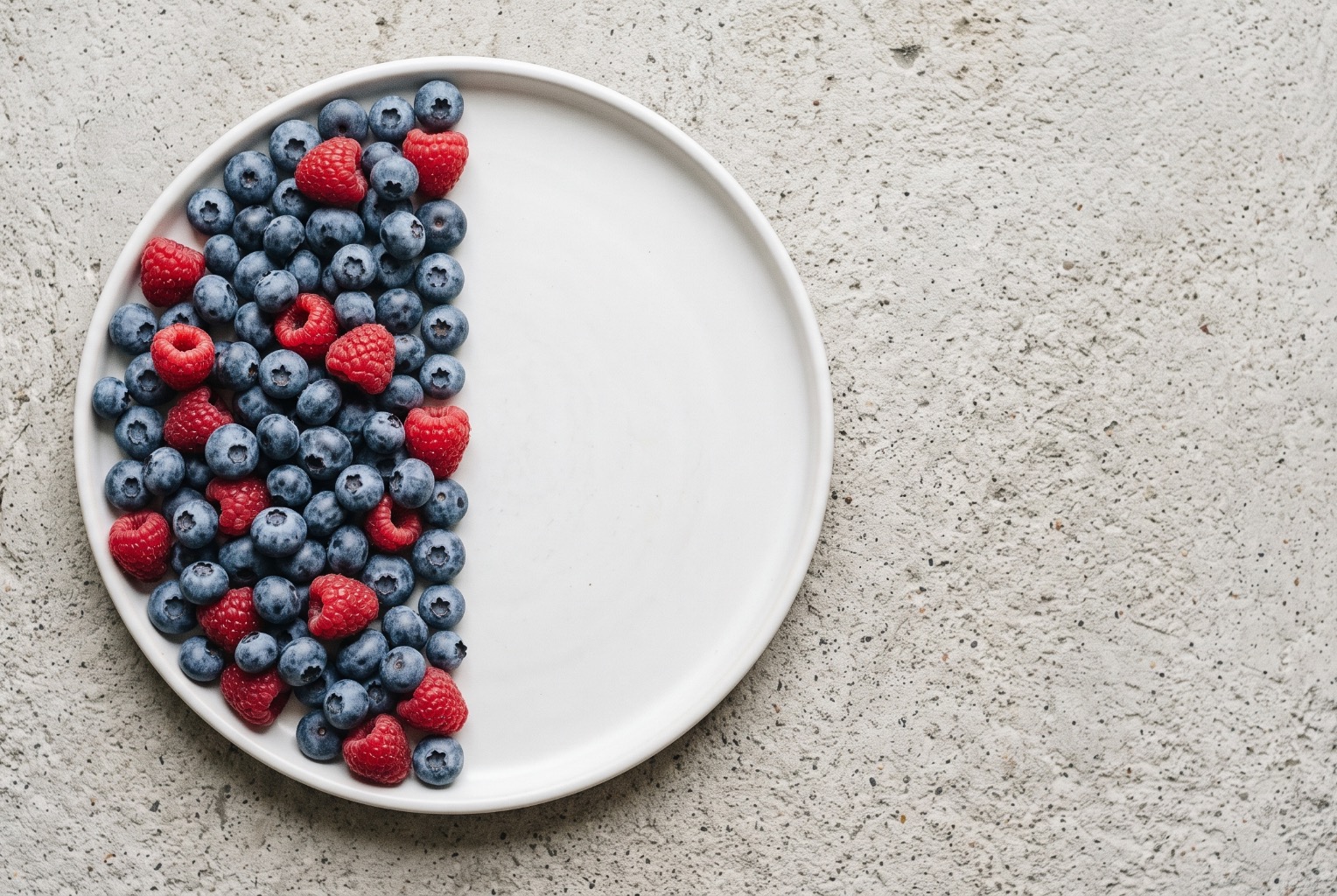
Verified trials across crops including blueberries and raspberries have consistently shown that this kind of shelf-life extension reduces weight loss and dehydration compared with unprotected fruit.
A Mission Measured in Days Saved
Fresh Inset’s position on food waste is not a communications theme layered onto an existing product: shelf-life extension, at every point between the packing line and the retail shelf, is the product. That is the responsibility behind the seventh International Day of Awareness of Food Loss and Waste -not a single campaign, but active packaging built to keep what has already been grown from being wasted before it is ever sold.
Growers, packers and retailers preparing for their next harvest under tighter margins and tighter scrutiny can start with a narrower question: how many more days does this crop have left in it.
To explore how Vidre+® works, request a trial or contact Fresh Inset directly.
Sources: Food and Agriculture Organization of the United Nations (FAO); FAO, IFAD, UNICEF, WFP and WHO, The State of Food Security and Nutrition in the World 2026; Avery Dennison, Making the Invisible Visible (2026, with the Centre for Economics and Business Research); Fresh Inset internal and third-party crop trial data.



 ENG
ENG PL
PL IT
IT SP
SP FR
FR RUS
RUS CZ
CZ DE
DE UA
UA